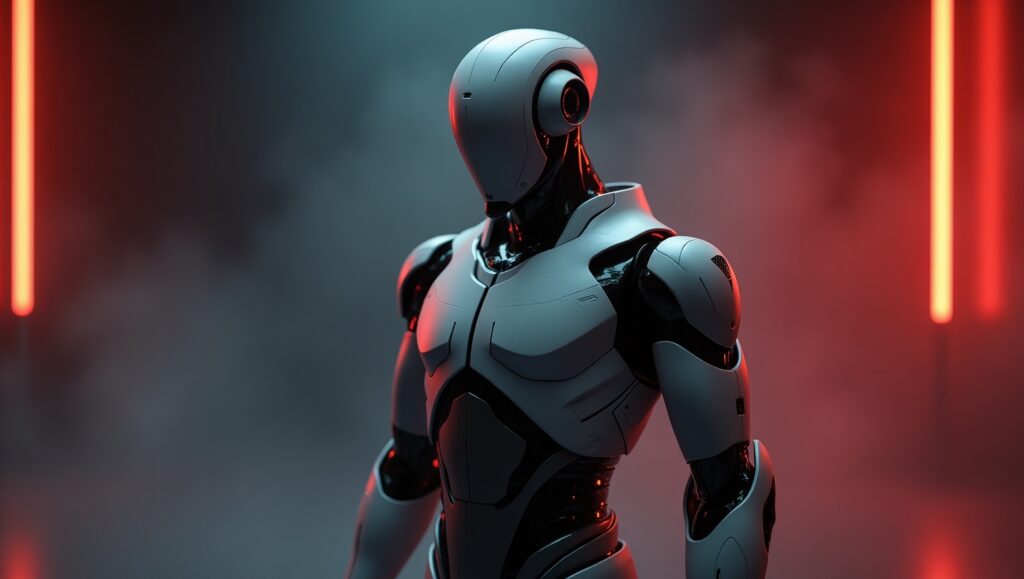
🔹 Optimus is now dancing like a human—and it’s not CGI
Tesla just dropped a jaw-dropping new video of its humanoid robot, Optimus, dancing—and it’s all real, played at normal speed. No sped-up clips, no sneaky edits. Just a robot grooving with surprising smoothness, fluid motion, and uncanny balance. The clip is making waves not just for its entertainment value, but for what it signals: humanoid robots are getting seriously advanced, fast. Optimus doesn’t just walk anymore—it vibes. With each new update, it’s becoming clear: we’re entering a new age of robotics where these machines won’t just work for us—they’ll move with us.
🔹 What Happened
Tesla posted a new clip of its Optimus robot dancing—and it looks way more human than expected. The video, which is fully authentic and runs at 1x real-time speed, shows Optimus executing smooth dance moves with rhythm and surprising agility.
Unlike the stiff, clunky robots of the past, Optimus moves naturally. Its arms wave with fluidity, its legs shift weight with balance, and the choreography has real personality. No flashy VFX. Just real-world robotics getting really good.
Tesla hasn’t released technical details on this particular performance, but it’s clear Optimus is training through a mix of AI simulation and real-world learning. The line between robotics and human motion just got a whole lot blurrier.
🔹 Why It Matters
This isn’t just about dance videos or flexing tech. This clip is a major milestone for robotic movement and autonomy. For years, humanoid robots have struggled with balance, coordination, and fluid motion. Tesla’s latest update shows those barriers falling away.
Why that’s a big deal:
- Movement is core to usefulness. Robots that move like humans can work in human spaces—warehouses, homes, hospitals—without needing massive redesigns.
- Dancing is a proxy for precision. If a robot can dance with balance and flow, it can also handle fragile tasks, walk on uneven ground, and interact in dynamic environments.
- It builds trust. The more natural robots look, the more comfortable we’ll be having them around.
This video isn’t about showing off. It’s about showing what’s possible when a robot starts moving like one of us.
🔹 Features / Use Cases
Today: a dance. Tomorrow: world-changing functionality. Here’s where Optimus (and similar robots) are headed:
- Labor automation: From warehouse logistics to assembly lines, humanoid robots can replace repetitive manual work.
- Healthcare support: Elder care, patient lifting, and basic assistance in hospitals or at home.
- Emergency response: Navigating rubble, handling hazardous materials, or assisting in disaster zones.
- Consumer robots: Personal assistants that can walk, talk, clean, and help at home—just like sci-fi promised.
Tesla’s advantage? It’s using the same tech that powers self-driving cars—real-time sensor fusion, neural networks, and constant software updates. Optimus isn’t just mimicking humans; it’s learning to be one of us in form and function.
🔹 The Bigger Picture / Future Impact
Humanoid robots like Optimus are set to disrupt a $25 trillion global labor market—and Tesla knows it. From logistics to manufacturing, the demand for tireless, intelligent labor is skyrocketing.
Optimus is Tesla’s bet that general-purpose robots will become as common as cars or phones. And if this video is anything to go by, that bet is maturing fast. Add in AI advances, and we’re staring down a future where robots don’t just dance—they run companies, assist in everyday life, and maybe even design better versions of themselves.
It also raises big ethical and social questions. Who owns the labor of a robot? How do we handle displacement? And when robots get expressive—like dancing—how do we define what it means to be “human”?
🔹 Final Take
Tesla’s dancing Optimus is more than a viral moment—it’s a signal that humanoid robotics is no longer stuck in the future.
They’re learning faster, moving smoother, and stepping into the real world. And they might be dancing into your job next.